The Urban Climate Solution

Climate Week NYC · September 21–25, 2026

The Urban Climate Solution
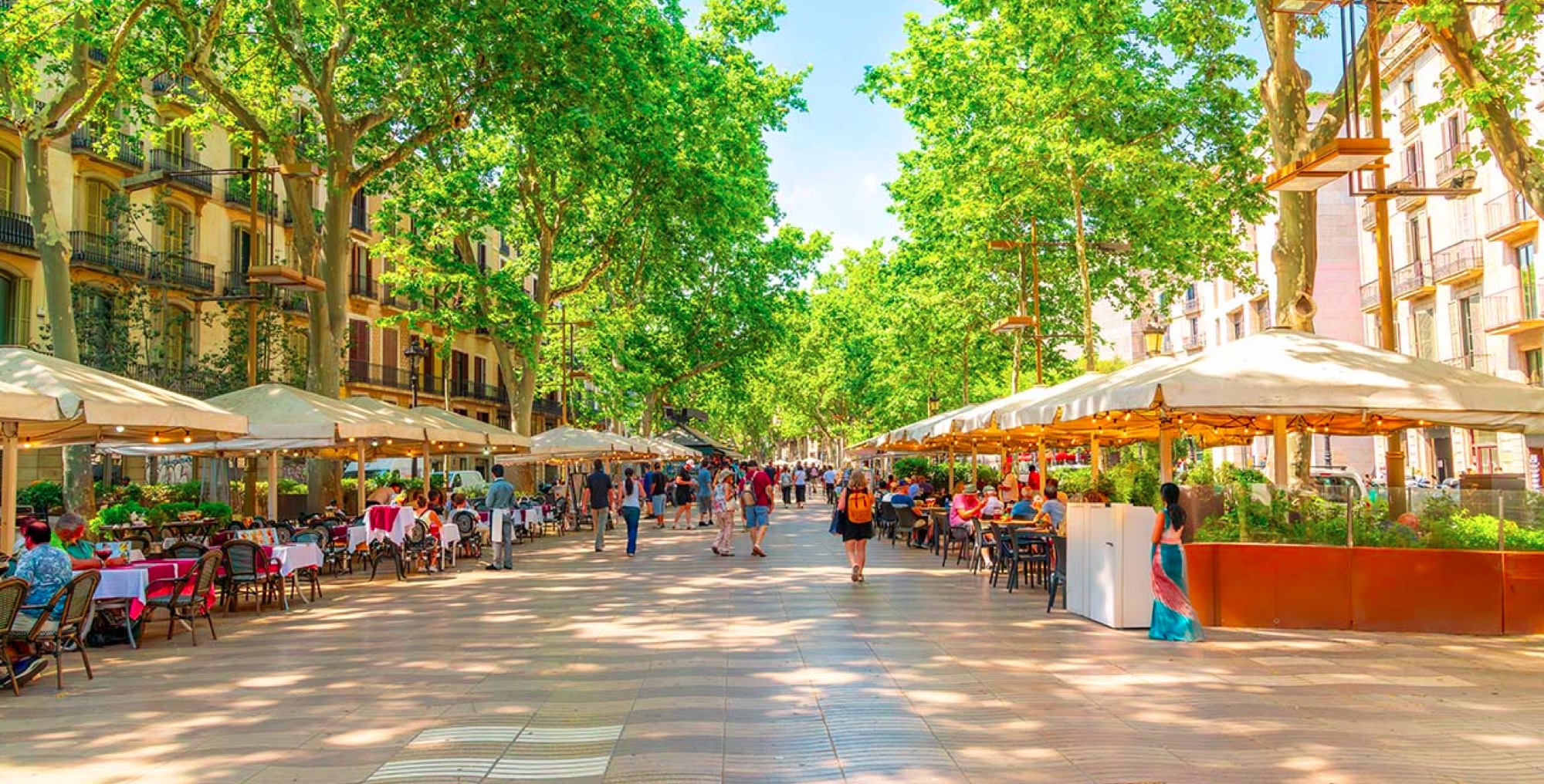
Ten free sessions across Manhattan and Brooklyn on how cities are built, priced, and connected, so the lower-carbon choice becomes the easy one.

2026 Presented By

Supported by

  • Gehl
  • Regional Plan Association
  • Metropolitan Abundance Project
  • Open Plans
  • NYU Wagner Rudin Center for Transportation
  • ULI Impact Lab

At The Urban Climate Solution, we are bringing together advocates, researchers, public officials, practitioners, and movement leaders to make the case that urban policy is climate policy.

Too often, climate conversations focus on technology alone while overlooking the everyday decisions that shape how people live, move, build, and share space.

These events will spotlight practical, high-impact urban strategies from parking reform, curb management, and reducing vehicle miles traveled to housing abundance, adaptive reuse, emerging mobility, and sustainable growth in rapidly urbanizing regions.

Together, we are creating a space for the people doing the work on the ground to show how better land use, transportation, and development choices can cut emissions, strengthen communities, and build cities where the climate-friendly choice is also the easy choice.

“Climate action cannot stop at cleaner cars and better technology. We have to change the way our cities are built, priced, and connected so that lower-carbon choices become the easiest choices in everyday life.”

Tony Jordan, President, Parking Reform Network

Agenda

Ten sessions over four days, September 21–25, 2026.

Monday September 21

NRDC Headquarters40 W 20th St, 6th Floor, Manhattan
1 session12:00 – 1:30 PM
12:00 – 1:30 PM12:00 light reception · 12:30 speaking program

Taming Traffic: How Congestion Pricing Became a Breath of Fresh Air for New York

Hosted by NRDC, C40 and Parking Reform Network
Session details

Dense, walkable and transit-friendly cities are one of our greatest climate solutions. As we chart a new future for the 21st century city, leaders are looking for ways to make safer streets, fix polluted air, reduce carbon emissions, and make more vibrant, livable cities. In 2025, New York City implemented a bold and transformational program: congestion pricing, achieving a long-sought victory in the work to improve urban life. Today, New Yorkers are adjusting to a marvelous new normal: an 11% decrease in traffic congestion, an 8% drop in traffic injuries, 22% cleaner air, and faster buses leading to a 7% increase in transit ridership.

In this panel we’ll dive into how New York finally pulled off this transformative policy, the results we’ve seen so far, and what lies ahead for other major U.S. cities that want to explore similar policies. Learn how New York overcame political, legal and bureaucratic hurdles to implement its groundbreaking program to decongest streets, and how doing so is helping New York tackle one of its most persistent problems – congestion and tailpipe pollution. As New York followed in the footsteps of overseas pioneers, like London, Stockholm and Singapore, so too will U.S. cities follow New York. The panel will walk through how cities can build a winning coalition, champion the positive impacts, and reap the benefits of one of the most powerful tools in the urban climate policy toolkit.

Speakers
  • Kate Johnson, Regional Director for North America, C40 Cities
  • Frederica Perera, Professor Emerita of Environmental Health Sciences, Columbia University
  • Renae Reynolds, Executive Director, Tri-State Transportation Campaign
  • Kate Slevin, Executive Vice President, Regional Plan Association
  • Jeff Tumlin, Former Director of Transportation, SFMTA
Tuesday September 22

All 2 Tuesday sessions were at The Bench, 9:00 to 12:00 PM.

The Bench49 Elizabeth Street, 6th Floor, Manhattan
2 sessions9:00 – 12:00 PM
9:00 – 10:30 AMTransportation

Transit Abundance is a Climate Solution

Hosted by Metropolitan Abundance Project, Institute for Progress, and Parking Reform Network
Session details

Transportation is accountable for the second greatest source of greenhouse gas emissions in the US economy, largely due to our car dependent transportation system that calls for Americans to drive millions of miles every day to reach daily destinations. Despite widespread recognition of the need to provide more sustainable transportation options, investments in transit have not increased enough to shape land development in ways that reduce emissions.

Instead, high costs to build and operate transit, along with mis-aligned, emissions intensive car-centric investment priorities continue to shape the transportation system. But what would it take to maximize investment and benefits from transit? Significantly increasing access to sustainable and affordable transit options will take both increased investment and systemic policy reform, but result in cascading benefits across health, equity, economic development, and climate.

Speakers
  • Miguel Moravec (Moderator), Campaign Manager, Clean RIDES Network
  • Carter Rubin, Senior Transportation Advocate, NRDC
  • Corrigan Salerno, Transportation Policy Manager, Metropolitan Abundance Project
  • Will Poff-Webster, Director of Infrastructure Policy, Institute for Progress
  • Shoshana Lew, Executive Director, Colorado Department of Transportation
10:30 – 12:00 PMTransportation

Why the Corner Has No Store: The Rules That Make Us Drive

Hosted by the Parking Reform Network
Session details

Bringing jobs and commerce closer to where people live decreases our reliance on vehicles. Unfortunately, zoning, parking mandates, licensing rules, and residential sprawl have rendered neighborhood enterprises both illegal and unprofitable. This panel examines how to untangle the legal and economic web that prevents sustainable mixed-use neighborhoods.

Speakers
  • Abigail Doerr (Moderator), Managing Director, Metropolitan Abundance Project
  • Tony Jordan, President, Parking Reform Network
  • Zoe Tishaev, City Policy Coordinator, Cities Work, Institute for Justice
  • Sam Hooper, Legislative Counsel, Sam Hooper Legislative Affairs

Wednesday September 23

All 4 Wednesday sessions were at kyu Collective, 9:00 to 4:15 PM.

kyu Collective395 Hudson Street, 8th Floor, Manhattan
4 sessions9:00 – 4:15 PM
9:00 – 10:15 AMHousing

Infill Development: Market-Based Climate Solution

Hosted by Gehl, Parking Reform Network, Metropolitan Abundance Project, and WRI
Session details

In 2007, McKinsey popularized the global cost curve for climate abatement, ranking interventions from negative-cost efficiency gains to expensive new technologies. Land use has never appeared on that curve, yet infill housing may be one of the cheapest levers available: it lowers vehicle miles traveled and embodied carbon while relying on infrastructure that already exists, and the policies needed to legalize it, like ending exclusionary zoning and restrictive parking mandates, cost governments next to nothing to enact. Removing parking minimums in particular frees up land and lowers construction costs, helping infill projects pencil out and giving rise to more market-driven housing growth and a stronger property tax base. Panelists will explore why land use has remained a blind spot in climate strategy despite this outsized, low-cost potential.

Speakers
  • Ben Holland (Moderator), Vice President, Market Transformation, ULI
  • Matthew Lewis, Director of Communications, California YIMBY
  • AnneMarie Gray, Executive Director, Open New York
  • Tony Jordan, President, Parking Reform Network
  • Tushar Kansal, Senior Officer, Housing Policy Initiative, The Pew Charitable Trusts
10:30 – 11:45 AMHousing

Build More, Electrify Faster: Aligning Housing Abundance and Building Decarbonization

Hosted by Gehl, Urban Land Institute’s Impact Lab, Housing Multiplier Project, Parking Reform Network, and WRI
Session details

The housing affordability and climate crises are often addressed through separate — and sometimes competing — policy agendas. Housing advocates seek faster approvals, lower construction costs, and fewer barriers to infill development. Building decarbonization advocates seek to prevent decades of additional fossil-fuel dependence by advancing all-electric construction, stronger performance standards, and cleaner energy systems.

But housing production and decarbonization do not have to be opposing goals. Well-designed infill housing can reduce transportation emissions, lower household energy costs, improve indoor air quality, and protect residents from extreme heat and wildfire smoke. Poorly designed or poorly sequenced requirements, however, can add cost, delay projects, strain electrical infrastructure, or disproportionately affect affordable and smaller-scale development.

This session will examine where housing and decarbonization strategies reinforce one another, where genuine implementation tensions arise, and how policymakers, developers, advocates, utilities, and funders can resolve them. Panelists will explore practical approaches to codes, incentives, permitting, utility coordination, affordability protections, and policy sequencing that allow communities to build more housing without locking in long-term emissions or future retrofit costs.

The session will conclude with a set of principles for advancing housing abundance, affordability, electrification, and climate resilience together.

Speakers
  • Heather Clark (Moderator), CEO, Housing Multiplier Project
  • Aimee Witteman, Chief Impact Officer, ULI
  • Abigail Doerr, Managing Director, Metropolitan Abundance Project
  • Raghav Muralidharan, Manager, RMI
  • Paul Caine, Vice President, BB Holdings
1:30 – 2:45 PMHousing

Accommodating Growth in the Global South

Hosted by Gehl, NYU Marron Institute, Parking Reform Network, and WRI
Session details

Most of the world's urban growth over the next few decades will happen in cities that don't yet exist at scale — concentrated in the Global South, where population growth is fastest and infrastructure is least locked in. Whether that growth compounds sprawl-driven emissions or avoids them depends on choices being made right now about housing and land use policy, as well as transportation infrastructure investments. Once made, these decisions produce long-lasting impacts for climate, accessibility, and economies. This panel will draw from the experience of urban planning, land use, and transportation experts actively working on efforts in the global south.

Speakers
  • Robin King (Moderator), Director, Knowledge Capture and Collaboration, WRI
  • Cynthia Goytia, Head of the Master of Science in Urban Economics Program, Universidad Torcuato Di Tella
  • Solly Angel, Professor of City Planning, NYU Marron
  • Samhita Shiledar, Principal, RMI
  • Adriana Akers, Senior Project Manager, Gehl
3:00 – 4:15 PMHousing

Making the Case for Climate-Aligned Abundance and Urbanism

Hosted by Gehl, World Resources Institute, Metropolitan Abundance Project, Climate Cabinet, and the Parking Reform Network
Session details

The fiscal and climate case for infill housing is increasingly hard to dispute — but data alone hasn't been enough to overcome the political and aesthetic resistance to density, even if it's for the better. This panel is about the messaging gap: how advocates, designers, and coalition-builders are translating cost curves and emissions data and examples of beautiful infill housing from around the world into narratives and images that make compact, mixed-use development the changes communities yearn for rather than something imposed on them. Panelists will share what's worked around the country — and what hasn't — in turning abundance into a story policymakers, developers, and the public actually want to be part of.

Speakers
  • Rushad Nanavatty (Moderator), Managing Director, RMI
  • Brian Hanlon, CEO, Metropolitan Abundance Project + California YIMBY
  • Caroline Spears, Executive Director, Climate Cabinet Education
  • Heather Clark, CEO, Housing Multiplier Project
  • Dr. Justyn Huckleberry, Projects and Research Associate, WRI

Thursday September 24

2 Thursday sessions were at Brooklyn Borough Hall, 9:00 to 12:15 PM.

Brooklyn Borough Hall209 Joralemon Street, Brooklyn
2 sessions9:00 – 12:15 PM
9:00 – 10:30 AMTransportation

Reducing Driving As Climate Action

Hosted by Open Plans and the Parking Reform Network
Session details

The climate movement must explicitly embrace reducing driving as a key piece of reducing emissions and building a sustainable future. Adoption of EVs has not and will not sufficiently address emissions caused by transportation, even if they were being adopted at target goals. In fact, increases in Vehicle Miles Traveled (VMT), in NYC and nationwide, are currently undercutting other strategies for reducing transportation related emissions, leaving us all in a standstill.

This panel addresses the need to reduce driving and explores various strategies for getting there, with a focus on strategies that have successfully improved air quality and reduced driving, and the connection between the two.

Speakers
  • Sara Lind (Moderator), Co-Executive Director, Open Plans
  • Andrew Gounardes, NY State Senator, NY State Senate
  • Doug O'Malley, Director, Environment New Jersey
  • Elena Conte, Advisor, Stop the Cross Bronx Expansion Coalition
  • Isabela Brown, Senior Climate Policy Advisor, NYC Mayor's Office of Climate and Environmental Justice
  • Carolina Urrutia, Director, Multilevel Strategy and Implementation, C40 GCoM Joint Program
10:45 – 12:15 PMTransportation

Re-Envisioning the Right of Way

Hosted by the Regional Plan Association and the Parking Reform Network
Session details

Re-envisioning the right of way: from the road, to the curb, to the sidewalk. How can we rearrange our streets to encourage walking, biking, and transit ridership? How can we use public realm features for stormwater management and other resiliency interventions? How can we ensure congestion and curb pricing don’t just speed up traffic or make it easier to park but instead give us the space to create efficient, safe, resilient, and social streets?

Speakers
  • Rachel Weinberger (Moderator), VP and Peter W. Herman Chair for Transportation, Regional Plan Association
  • Liya Rechtman, Policy Director - Transportation and Infrastructure, Office of the New York City Comptroller
  • Emily Weidenhof, Assistant Commissioner of Public Realm, NYC Department of Transportation
  • Spencer Williams, Director of Land Use and Topography, Office of the Brooklyn Borough President
  • Robert Freudenberg, VP, Energy & Environment, Regional Plan Association
NYU Rudin Center105 E 17th St, Manhattan
1 session3:00 – 5:00 PM
3:00 – 5:00 PMTransportation

Preparing for Emerging Mobility: Autonomous Vehicles and Mobility Horizons

Hosted by NYU Rudin Center and the Parking Reform Network
Session details

Autonomous vehicles, e-bikes, bike share, car share, mobility-as-a-service, and other emerging technologies are already reshaping how people move. But whether these tools reduce emissions, traffic, and car dependency depends on the urban environments they enter and the policies that guide them.

This session will move beyond both hype and doom to ask how cities can use emerging mobility to support safer streets, reduce vehicle miles traveled, improve curb management, and incentivize climate-aligned transportation choices.

Speakers
  • Sam Sklar (Moderator), Founder, Exasperated Infrastructures
  • Adam Lenz, Head of Sustainability & Environment, Waymo
  • David Ullman, Deputy Secretary for Transportation, Office of Governor Hochul
  • Rachel Weinberger, VP and Peter W. Herman Chair for Transportation, Regional Plan Association
  • Tilly Chang, Executive Director, San Francisco County Transportation Authority (SFCTA)
  • Tony Jordan, President, Parking Reform Network

Speakers

  • Sarah KaufmanExecutive Director, NYU Rudin Center for Transportation
  • Sam SklarFounder, Exasperated Infrastructures
  • Tilly ChangExecutive Director, San Francisco County Transportation Authority (SFCTA)
  • Tony JordanPresident, Parking Reform Network
  • Solly AngelProfessor of City Planning, NYU Marron
  • Zoe TishaevCity Policy Coordinator, Cities Work, Institute for Justice
  • Rachel WeinbergerVP and Peter W. Herman Chair for Transportation, Regional Plan Association
  • Tushar KansalSenior Officer, Housing Policy Initiative, The Pew Charitable Trusts
  • Corrigan SalernoTransportation Policy Manager, Metropolitan Abundance Project
  • Aimee WittemanChief Impact Officer, ULI
  • Liya RechtmanPolicy Director - Transportation and Infrastructure, Office of the New York City Comptroller
  • Carter RubinSenior Transportation Advocate, NRDC
  • Emily WeidenhofAssistant Commissioner of Public Realm, NYC Department of Transportation
  • Robert FreudenbergVP, Energy & Environment, Regional Plan Association
  • David UllmanDeputy Secretary for Transportation, Office of Governor Hochul
  • Abigail DoerrManaging Director, Metropolitan Abundance Project
  • Heather ClarkCEO, Housing Multiplier Project
  • Matthew LewisDirector of Communications, California YIMBY
  • Brian HanlonCEO, Metropolitan Abundance Project + California YIMBY
  • Caroline SpearsExecutive Director, Climate Cabinet Education
  • Isabela BrownSenior Climate Policy Advisor, NYC Mayor's Office of Climate and Environmental Justice
  • Ben HollandVice President, Market Transformation, ULI
  • Andrew GounardesNY State Senator, NY State Senate
  • Sara LindCo-Executive Director, Open Plans
  • Elena ConteAdvisor, Stop the Cross Bronx Expansion Coalition
  • Adriana AkersSenior Project Manager, Gehl
  • Paul CaineVice President, BB Holdings
  • Doug O'MalleyDirector, Environment New Jersey
  • Miguel MoravecCampaign Manager, Clean RIDES Network
  • Robin KingDirector, Knowledge Capture and Collaboration, WRI
  • Cynthia GoytiaHead of the Master of Science in Urban Economics Program, Universidad Torcuato Di Tella
  • Samhita ShiledarPrincipal, RMI
  • Dr. Justyn HuckleberryProjects and Research Associate, WRI
  • Carolina UrrutiaDirector, Multilevel Strategy and Implementation, C40 GCoM Joint Program
  • Sam HooperLegislative Counsel, Sam Hooper Legislative Affairs
  • Anna MuessigPartner, Senior Project Director, Gehl

2026 Sponsors

Organized by

Parking Reform Network